Skip to content

Cold chamber die casting

Cold chamber die casting handles intricate, large parts. High-melting-point metals, such as aluminium, are melted in a separate furnace, enabling precise control for complex shapes.
Speak to an engineer

Benefits

Why choose cold chamber die casting?

Cold chamber die casting is a suitable choice for projects that require:

  • Aluminium expertise
  • High-volume production
  • Large parts
  • Complexity and scale

Key features

A look at cold chamber key features

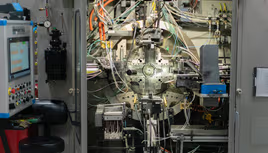
Key features of our advanced cold chamber machines include:

  • Part sizes from a baseball to a laptop
  • Shot weights above 90 grams
  • External melting furnace
  • Ideal for high-melting-point alloys
  • Automated machines

Compatible materials

Select your cold chamber die casting materials

Aluminium is the most commonly used metal for the cold chamber process.

  • Aluminium

What is cold chamber die casting?

Cold chamber die casting excels at producing intricate, sizable components. Unlike other die casting methods, it uses a separate furnace to melt high-melting-point metals such as aluminium. This separation enables precise control of the metal during injection, resulting in complex shapes with exceptional strength.

See all technologies
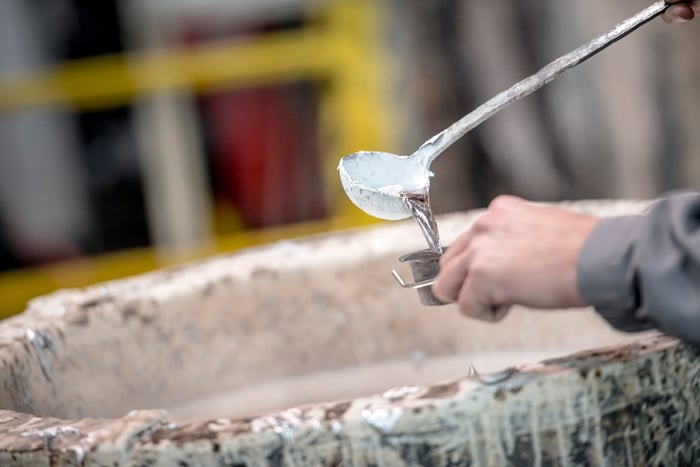
Employee ladling metal into a cup

Advantages of the cold chamber process

Cold chamber die casting offers benefits such as reduced corrosion and longer die life due to precise control of metal temperature.

Hot chamber die casting versus cold chamber die casting

For intricate, large designs requiring strong materials, cold chamber die casting excels with high-melting-point metals. Hot chamber die casting prioritises speed for high-volume production of smaller parts.

Benefits of aluminium cold chamber die casting

Aluminium die castings are lightweight and can withstand the highest operating temperatures of all die cast alloys. One of the most significant benefits is that they create lighter parts—with more surface finishing options than other die cast metals. Additionally, cast aluminium is versatile and corrosion resistant, maintains high dimensional stability in thin-wall sections, and can be used in almost any industry.

Global reach, local expertise

Use our location finder to identify which of our global facilities offers the processes and materials you need.

Global locations

Interested in starting your die casting project?

Our engineers are here to answer your questions and show you how innovative die casting technologies can revolutionize your next project.

Contact Us