

Moving from plastic to metal for ultimate part strength
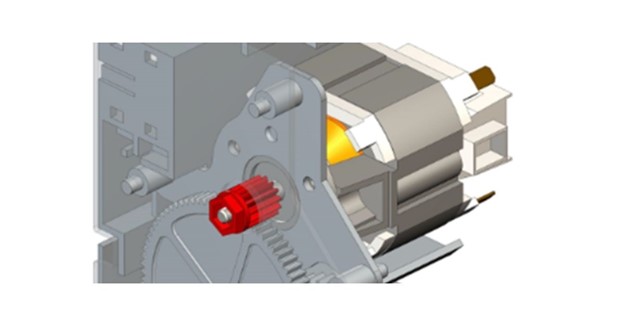
Dynacast was presented with manufacturing an electrical motor pinion. The pinion is an integral part in the overall function of the motor, requiring precise tolerances and high-strength material.
Plastic versus metal components
Initially, the customer designed the part in plastic, but once the part was put into testing, heat and distress requirements caused the part to fail. Additionally, the plastic production process failed to meet technical requirements needed for part performance. The customer required tighter tolerances and complex component design for the electro-mechanical mechanism to achieve optimal performance, so they turned to Dynacast for a solution.
Prototyping and metal solutions
With material strength being the customer's main priority, Dynacast utilised a prototype tool to test various alloys, allowing design engineers the ability to quickly and efficiently test for performance, and craft even better components.
The first prototypes were made using Zamak 5. Zinc alloy 5 is the most widely used zinc alloy in Europe and is known for its hardness and high-strength properties. But despite an improvement from plastic, the resistance was not enough. Zamak 2 was tested next, due to a higher resistance and higher hardness, however, the design engineers knew there was another option.
EZAC®. This hot chamber zinc alloy has superior creep resistance, high yield strength, high hardness, and low melting temperatures. While zinc has always been known for its high strength, the addition of EZAC® to the list of alloys Dynacast can cast makes this zinc alloy more suitable for applications like this pinion that require high surface hardness.
The customer put Dynacast's EZAC castings under severe endurance testing and were extremely pleased with the new material, making it an easy choice to switch from plastic injection moulding to die casting.
If you are looking for a partnership to help you apply new tools and technologies, or help you fully realise your design vision, let us help you move your business forward, contact our team today to get the conversation started.
.svg%3Fwidth%3D24%26height%3D24%26auto%3Dwebp%26fit%3Dsmart&w=128&q=75)
.png%3Fwidth%3D24%26height%3D24%26auto%3Dwebp%26fit%3Dsmart&w=128&q=75)
.svg%3Fwidth%3D24%26height%3D24%26auto%3Dwebp%26fit%3Dsmart&w=128&q=75)