

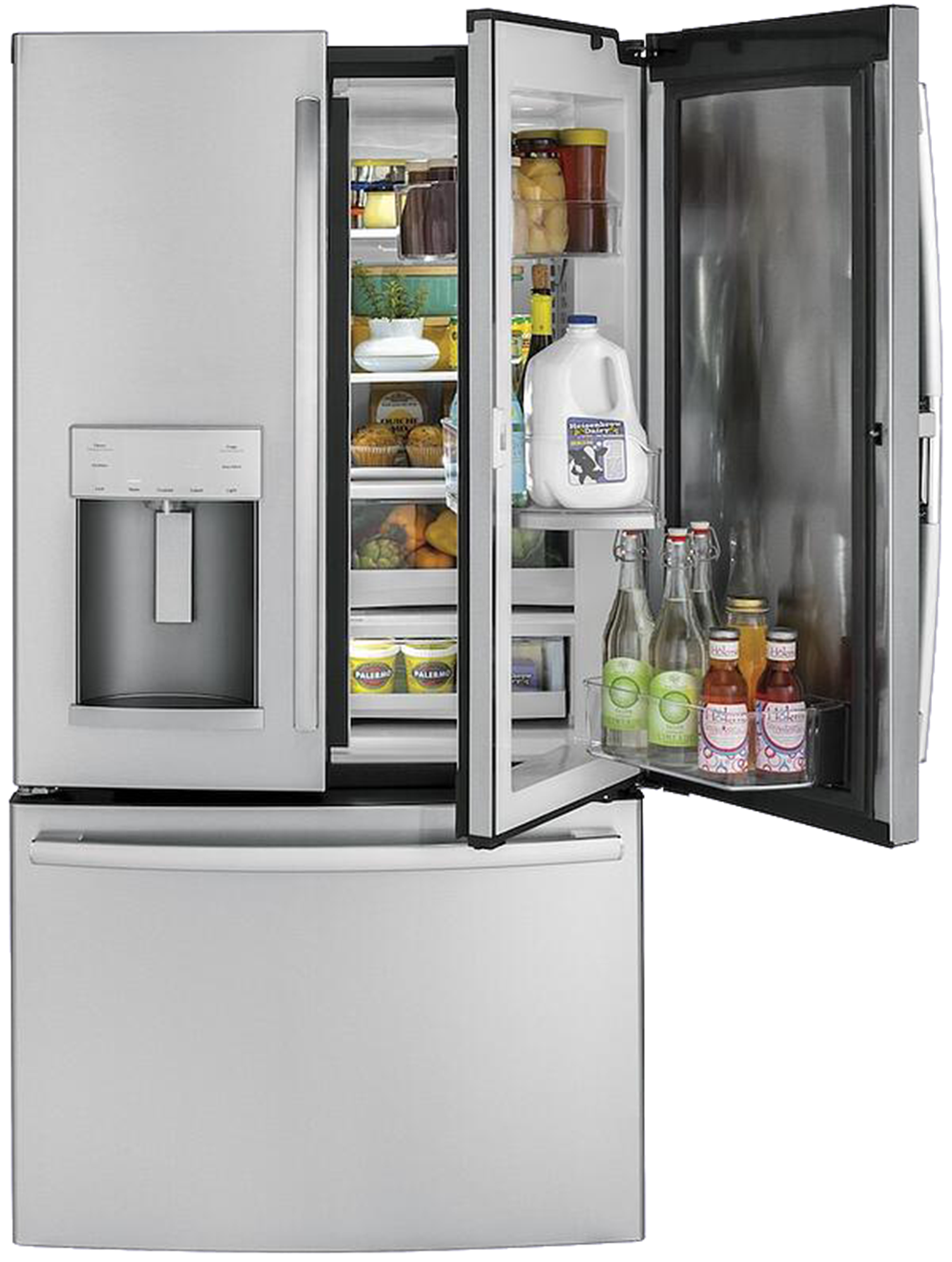
The average household refrigerator is opened 22 times per day. With each look inside, cold air escapes and warm air from the surrounding room circulates through. Once the doors are closed, the compressor must kick in to re-cool the air and contents inside--affecting the owner's energy bill and environmental footprint. But what if there was a way to access everyday items, such as drinks and snacks, without affecting the rest of the internal contents?
INNOVATION THROUGH ALUMINIUM DIE CASTING
When the design team at a leading appliance manufacturer approached Dynacast to learn about die casting capabilities, they were unsure where and how they could benefit from the manufacturing process. The team at Dynacast Elgin was eager to help and offered an educational seminar to design engineers, outlining technical capabilities, material offerings, and overall benefits of die casting in the appliance industry. With a new design in mind, the engineers engaged Dynacast's design for manufacturing (DFM) to find the best solution. Aluminium was very attractive to the team due to its lightweight properties and high strength-to-weight ratio. Specifically, appliance engineers focused on decorative aluminium die casting for a new French-door refrigerator concept. The appliance would offer a door-in-door feature to allow the consumer access to popular items without opening the entire refrigerator and wasting cold air. By allowing the interior doors to stay closed and keep warm air out, the refrigerator would offer an innovative way to reduce energy consumption.
MAXIMISING "SHELF LIFE"
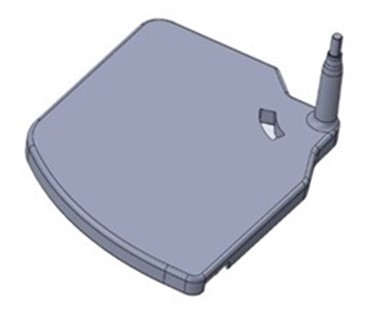
The appliance company's marketing team was interested in offering a swinging "milk shelf" to allow easy access to this common household staple. Connection of the milk shelf to the interior body of the refrigerator would be via a hinge component. In order to withstand the weight of a gallon of liquid, engineers determined that the hinge would need to be stronger and more durable than plastic. The castability of zinc, its wear resistance, and structural integrity made it the ideal material choice.
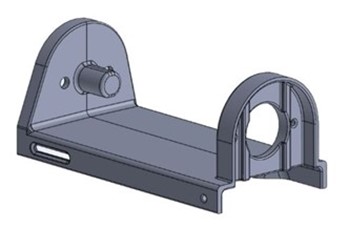
In addition to offering functionality and stability, the shelf attachment needed to be decorative since it would be visible to consumers. Decorative aluminium die casting offered an eye-catching design and provided the required rigidity and strength. Dynacast Elgin designed and manufactured three parts in total: a decorative aluminium die-cast shelf and two Multi-Slide zinc hinge components.
DYNACAST DELIVERS
Dynacast strives to ensure every customer receives insight and expertise that adds value at every stage of the design and die cast manufacturing process. This is why today, across multiple industries and geographies, Dynacast is synonymous with precision-engineered metal components. Its extensive knowledge of metal die casting and reliable reputation made Dynacast a valuable partner for the appliance manufacturer.
.svg%3Fwidth%3D24%26height%3D24%26auto%3Dwebp%26fit%3Dsmart&w=128&q=75)
.png%3Fwidth%3D24%26height%3D24%26auto%3Dwebp%26fit%3Dsmart&w=128&q=75)
.svg%3Fwidth%3D24%26height%3D24%26auto%3Dwebp%26fit%3Dsmart&w=128&q=75)